

No Integrity Left: How NIL Broke College Sports
The NCAA had one job. They BLEW IT. Now fans get Warby Parker ads, Cane’s fries, and a nice reminder that calling them ‘amateurs’ was always a joke.

The NHL playoffs are underway. Baseball is just getting started. The NFL Draft is here. But college football and basketball? Gone until fall and winter. That leaves long summer nights, cold beers, and plenty of time to think about what the hell happened to college sports.
I’ll tell you what happened. NIL happened. Or more accurately, the NCAA’s spectacular inability to manage NIL happened.
Let me be clear. I have zero problem with college athletes making money. These kids generate billions in revenue for their schools while the NCAA cashes checks and lectures everyone on “amateurism.” The hypocrisy was always the problem. Walter Byers, the NCAA’s first executive director, wrote a book in 1995 blowing the whistle on the whole scam. The NCAA signed its first TV deal with NBC back in 1952 and by the 1960s had a football contract rivaling the NFL’s. Athletes saw nothing. For decades. So yes, players deserved to get paid.
But what we got instead of a fair system is a slow-motion train wreck.
When California passed the Fair Pay to Play Act in 2019, the NCAA had every opportunity to get ahead of it. They could have built a thoughtful framework. Instead, they sat on their hands until July 2021, slapped together an “interim policy,” and let 30 different states write 30 different sets of rules. The result? A $917 million Wild West in year one alone, with nobody at the wheel.
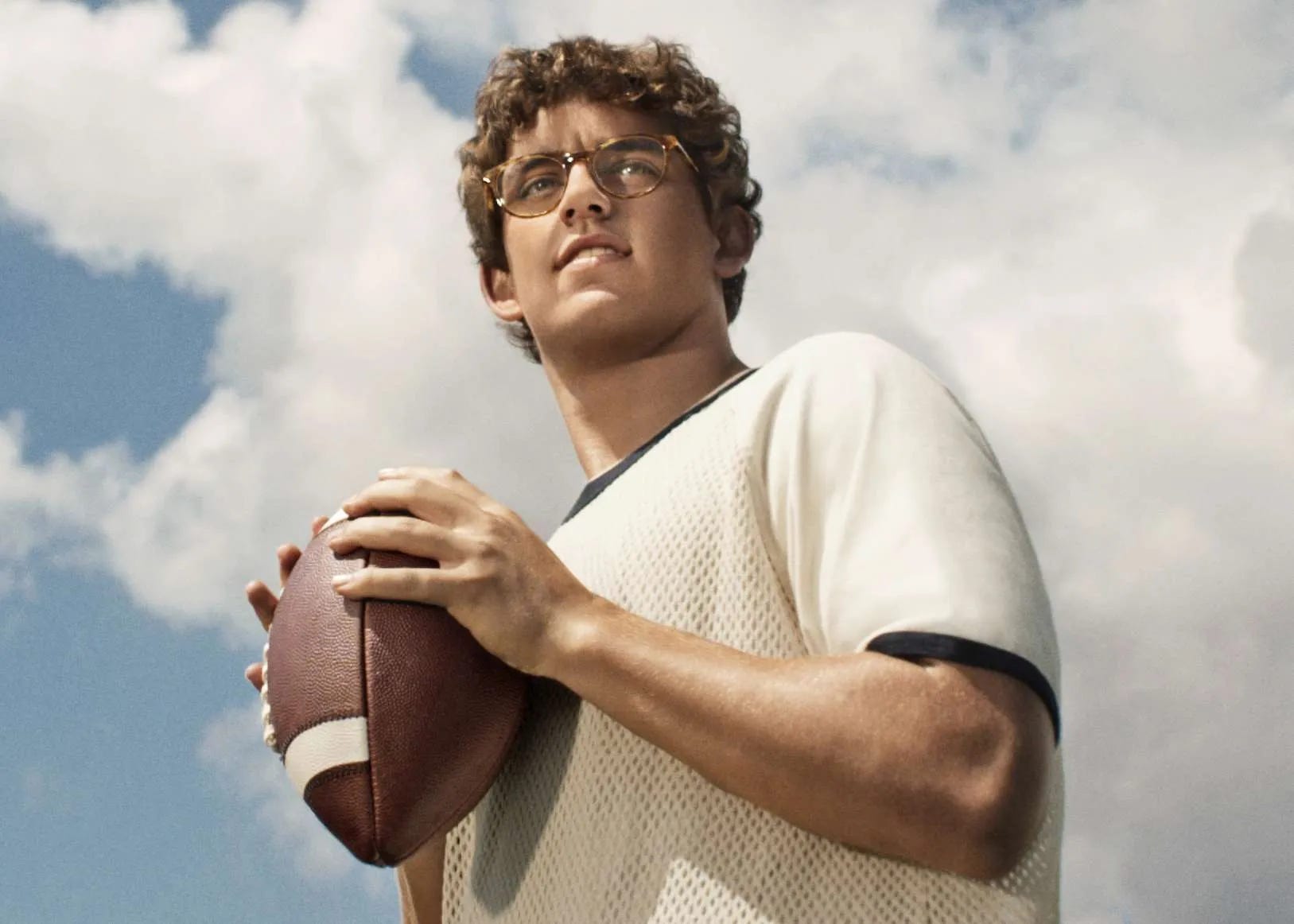
Now picture this. Arch Manning just took a helmet-to-helmet shot on a third-and-long. He’s picking himself up off the turf, sweat dripping, blood on his jersey. Thirty seconds before halftime, the broadcast cuts to commercial. There he is again. Same kid. Fresh haircut, perfect lighting, modeling Warby Parkers like he’s on the cover of Glamour. That doesn’t exactly scream gritty Saturday afternoon gridiron battle, does it? Manning pulled in an estimated $6.8 million in NIL money last season. More than Auburn’s head coach makes. The kid has deals with Warby Parker, Raising Cane’s, Google Gemini, Red Bull, and EA Sports. He out-earned all but 35 head coaches in college football and hadn’t even finished his first full season as a starter. I guess some believe it really is “in the genes” or “jeans” as the case may be.
Meanwhile, booster-funded NIL collectives have turned what was supposed to be a branding opportunity into thinly veiled pay-for-play schemes. The NCAA’s College Sports Commission has rejected over 500 deals worth nearly $15 million for lacking a “valid business purpose.” Translation: the checks had nothing to do with marketing and everything to do with recruiting.
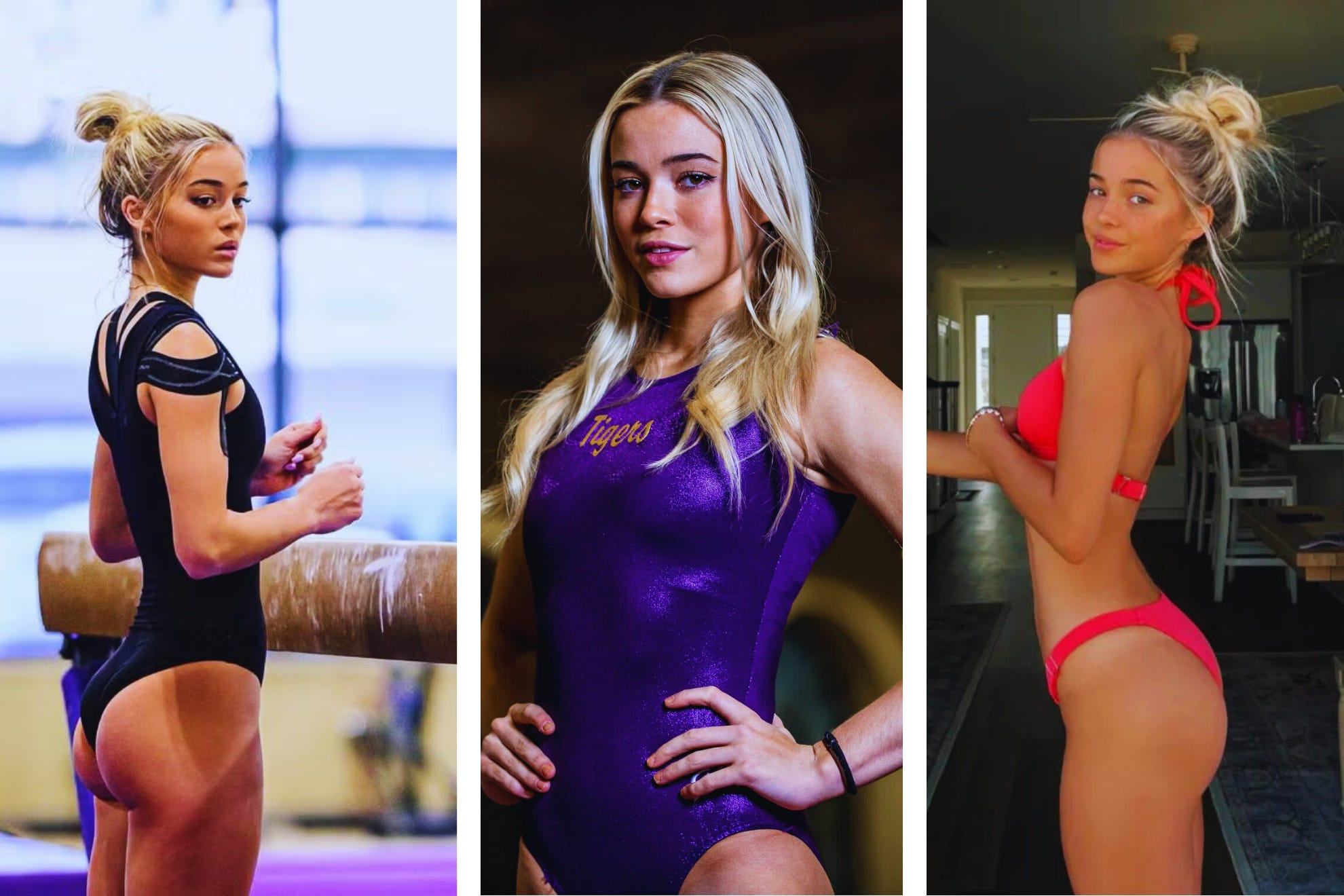
And then there’s Olivia “Livvy” Dunne, the former LSU gymnast who, for reasons passing understanding, became the highest-paid female athlete in college sports. Nearly 14 million social media followers. A peak NIL valuation north of $4 million. An estimated $9.5 million earned over her college career. I genuinely cannot imagine how she managed to rake in that kind of dough. Total mystery. But when one gymnast’s Instagram presence is worth more than most schools’ entire athletic budgets, maybe it’s time to ask what game we’re actually playing.
The transfer portal made it worse. What used to be a commitment to a program for four years is now professional free agency with a backpack. Players jump from school to school chasing the highest bidder. Coaches don’t build teams anymore. They rebuild rosters every offseason. Over 6,700 Division I players entered the portal during the last window alone. Loyalty? Development? Team culture? Those words belong to a different era.
And the coaches? They’re bailing too. Nick Saban, arguably among the greatest college football coaches who ever lived, walked away from Alabama and publicly begged Congress to act. “I don’t care who has to get off their butt, but do something,” he said. Tony Bennett, who built Virginia into a national championship program, retired at 55. When legends are quitting, you don’t have a personnel problem. You have a systemic one.
Here's the part that really burns. NIL was supposed to level the playing field. Instead, it created a brand new class system. The top athletes at the priciest programs rake in millions while the vast majority of college athletes see little to nothing. Up to 90% of revenue-sharing money flows to football and men's basketball. Women's athletics? Swimming, golf, track and field? They’re getting the same raw deal they’ve always gotten, just with embossed paperwork and incomprehensible text.
Small schools are also getting crushed on more than just the scoreboard. They can’t compete with the donor networks and booster collectives that power programs like Alabama or Ohio State. The talent gap is widening. Some of these smaller programs are already facing enrollment drops and budget cuts. NIL might be the thing that finally pushes them over the edge.
Then there are the “street agents” who’ve crawled out of the woodwork. Unregulated middlemen, often not even certified agents or lawyers, brokering deals and skimming off the top. Joe Martin from the Texas High School Coaches Association called it “almost at a crisis.” These people are targeting high schoolers now. Let that sink in.


And Congress? Still debating. The SCORE Act would create a national framework, but it’s stalled because politicians can’t agree on whether athletes are employees. That question is at the heart of the mess and it’s not getting answered quickly. President Trump signed an executive order in April targeting “fraudulent NIL schemes” and threatening federal funding. Bold move. Whether it actually changes anything remains to be seen.
So what do we do? Here are two ideas that might actually help.
First, lock the transfer portal down. One or two free transfers per academic career. Max. You pick your school, you commit. Otherwise, you lose eligibility. That’s it. Enough with the Blackwater mercenary bazaar. No more revolving doors. Force players and programs to invest in each other again.
Second, mandate that a meaningful percentage of NIL revenue-sharing dollars go to non-revenue sports. Call it 25%, call it whatever makes sense. If we’re going to blow up the old system, at least make sure the women’s soccer player and the men’s swimmer aren’t left holding an empty bag while the starting quarterback drives a new Escalade off the lot.
Look, the ratings are fine. College football viewership is up. March Madness shattered records this year. People are still watching. But watching and caring are two different things. Right now, college sports is a car wreck that’s hard to look away from. That’s not the same thing as the sport being healthy.
The NCAA had decades to fix this. They chose profits over players. When the courts finally forced their hand, they chose chaos over leadership. And now everyday fans, the ones who paint their faces and drive six hours for a rivalry game, are stuck watching something that looks less like the sport they fell in love with and more like a corporate bidding war with helmets.
Something’s gotta give. And it better give soon.