


Earlier this month, four astronauts strapped into a capsule the size of a camper van, rode a column of fire into the sky, and flew farther from Earth than any human being in history. Artemis II didn’t just circle the moon. It shattered Apollo 13’s 56 year old distance record, reaching 252,756 miles from Earth at its farthest point. Four people sat inside that tiny spacecraft, hurtling through the void at over 60,000 miles per hour, and looked back at the pale blue dot we call home.
And the world cheered. For a minute.
Then we went back to doomscrolling.
Look, I’m not here to rain on NASA’s parade. The Artemis II mission was, by all accounts, a triumph. Commander Reid Wiseman, Pilot Victor Glover, and Mission Specialists Christina Koch and Jeremy Hansen launched from Kennedy Space Center on April 1st and splashed down ten days later in the Pacific Ocean. Koch said she screamed with pure joy when that hatch opened. Glover described watching a fireball of plasma engulf the capsule during reentry and thinking, “Is it supposed to be that big?” The whole thing was gutsy, inspiring, and undeniably American.
But here’s the question nobody in Washington wants to answer: What now?
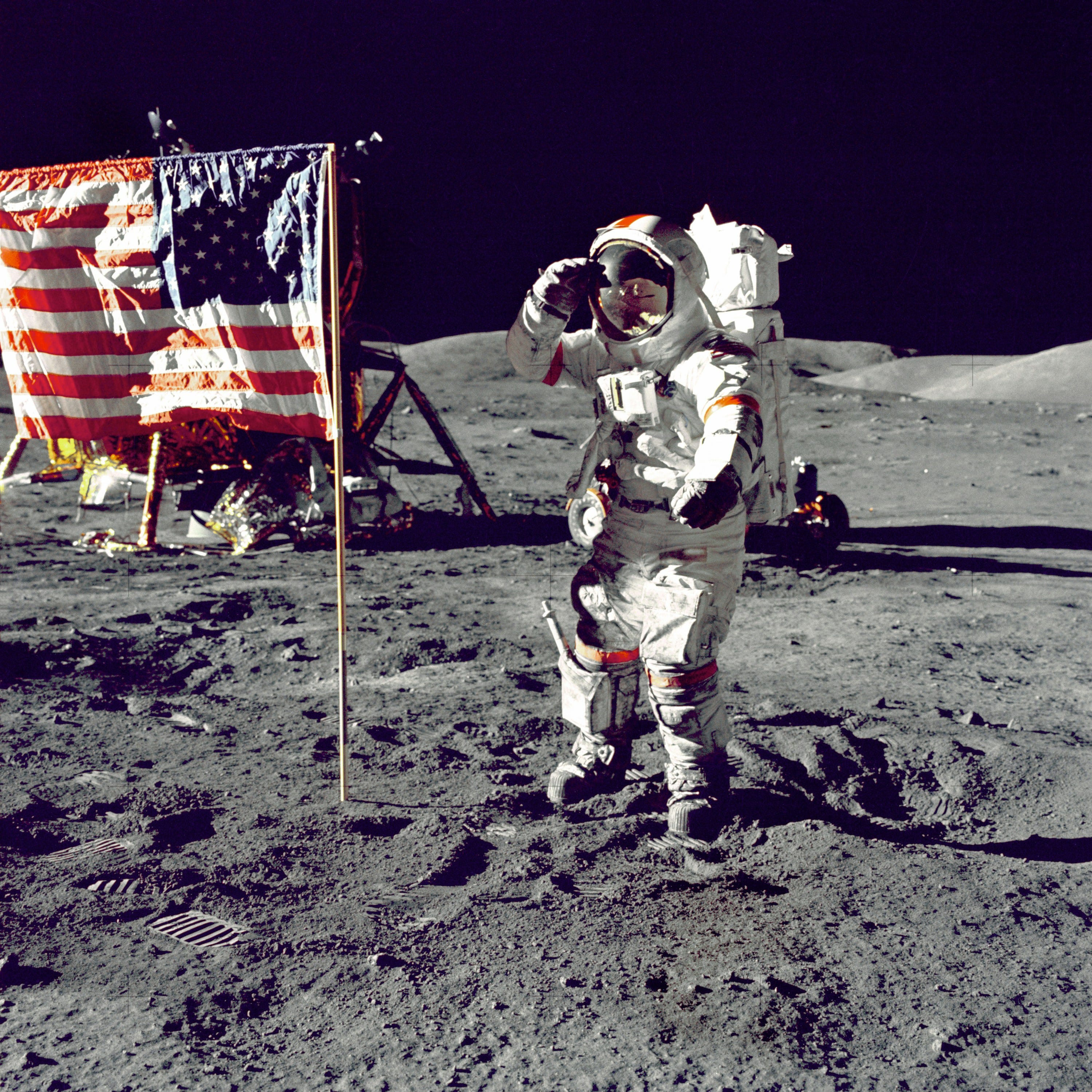
Because we’ve been here before. Literally. Neil Armstrong and Buzz Aldrin walked on the moon in 1969. The entire planet stopped and watched. It was supposed to be the beginning. Instead, it became the peak. We went back a handful of times, planted some flags, hit some golf balls, and then just... stopped. Apollo 17 was the last crewed mission beyond low Earth orbit. That was 1972. Let me do the math for you. That’s 54 years of going absolutely nowhere.
Fifty four years.
The Jetsons promised us flying cars and robot maids. We got TikTok and subscription fees for our thermostats.
Now, to be fair, we did get two genuinely world changing innovations in that half century. The internet and artificial intelligence. The internet rewired civilization. It put a library, a shopping mall, a post office, and a casino in your pocket. It kept the global economy from total collapse during COVID. It made remote work possible, turned teenagers into millionaires, and gave everyone a megaphone, for better or worse. And no, I don’t mean Al Gore’s internet.
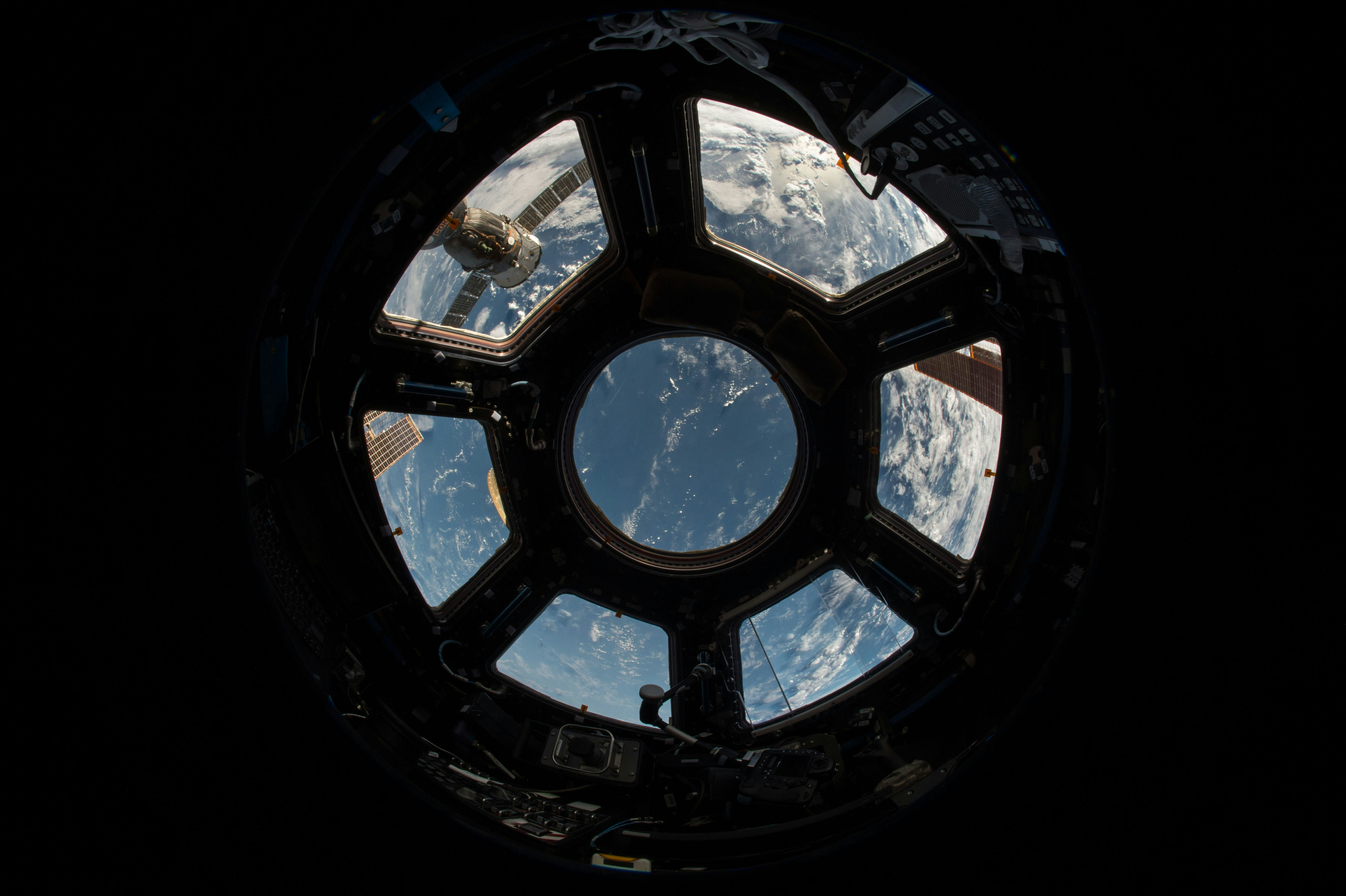
AI is the second revolution, and it’s happening right now. It writes code, diagnoses diseases, passes the bar exam. It’s exciting and terrifying in equal measure. But here’s the thing that bugs me. Both of those breakthroughs happened largely in spite of our government, not because of it. The private sector dragged us into the future while Congress debated naming post offices.
Victor Glover said something during the mission that stuck with me. As the crew orbited the moon on Easter Sunday, he looked back at Earth and told the world: “In all of this emptiness, this whole bunch of nothing we call the universe, you have this oasis, this beautiful place that we get to exist together.” He called on people to remember “who we are, and that we are the same thing, and that we got to get through this together.”
Beautiful words. Words I genuinely believe. But “getting through this together” requires leadership that actually leads.
We can send four people around the moon. We can build spacecraft that withstand plasma fireballs and travel at speeds that make your head spin. We can push the boundary of human exploration farther than it has ever gone. But we can’t fix crumbling bridges. We can’t make insulin affordable. We can’t agree on a budget without threatening to shut down the government every six months.
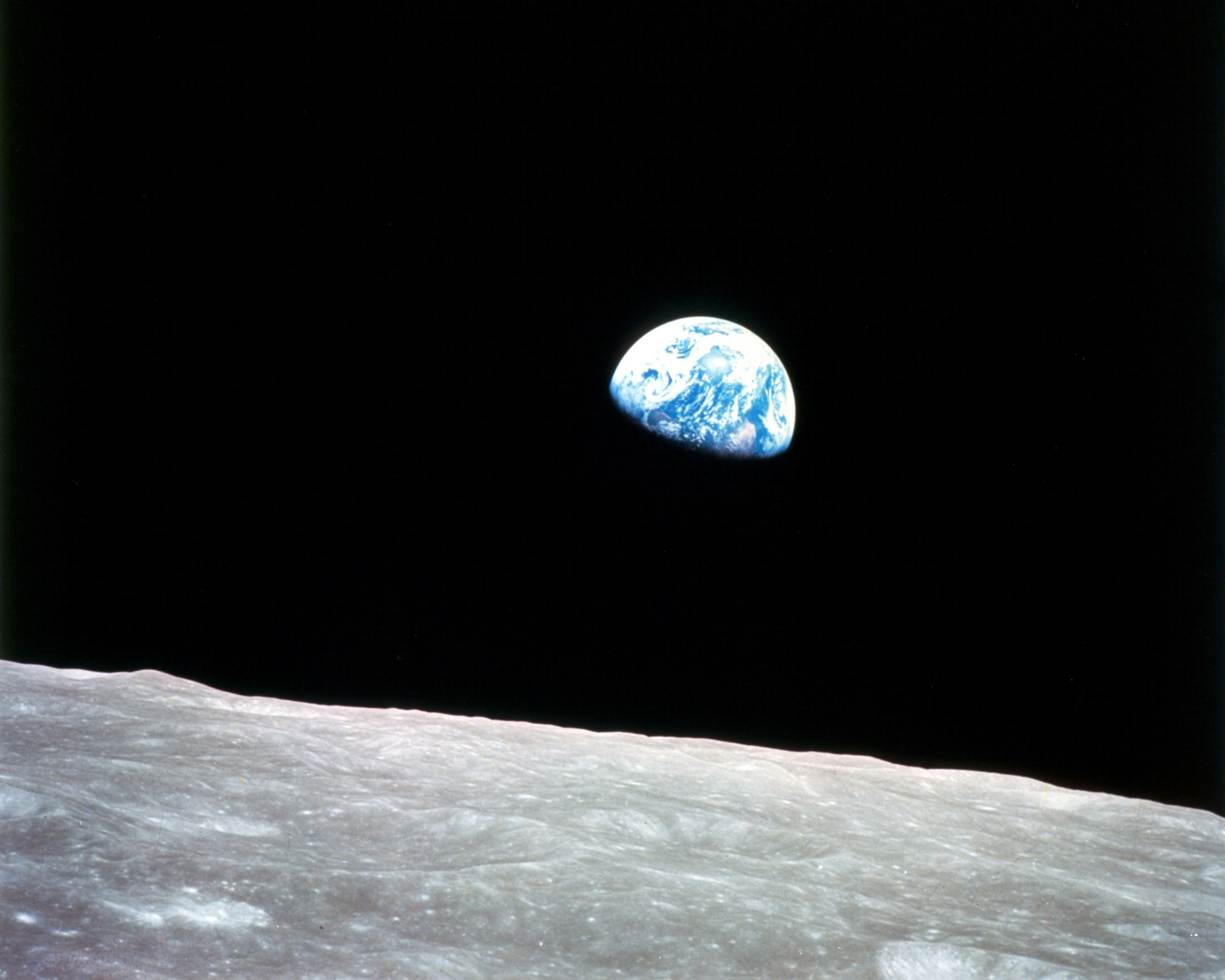
The technology exists to do extraordinary things. Artemis II proved that. The mission hit all ten of its science objectives. The Orion spacecraft, named Integrity by its crew, performed flawlessly. The astronauts observed color variations on the lunar surface that satellites can’t detect. Human eyes, it turns out, are still better than cameras at some things. There’s a metaphor in there somewhere.
Because that’s what’s missing. The human element. Not in space, but here on the ground. We’ve got politicians on both sides of the aisle who can barely see past the next election cycle, let alone the next giant leap for mankind. AI is about to reshape every industry on the planet, and our elected officials are still trying to figure out how Facebook works.
Artemis II was a win. A big one. But a win only matters if you build on it. Armstrong’s steps were supposed to be the beginning, and they became a dead end for half a century. We can’t afford to let that happen again.
So here’s the challenge, and I’m stealing it from the crew themselves: Don’t let this record stand for long. Not just the distance record. The record of wasted potential. Of bipartisan inaction. Of letting our greatest achievements collect dust while we argue about nonsense.
We went around the moon. Again. The question isn’t whether we can go further.
It’s whether we have the will to.